top of page

Procedures
& Areas of Expertise

Comprehensive medical and surgical eye care tailored to preserve and restore your vision.

Cataracts

Diagnosis and micro-surgical replacement of clouded natural lenses with advanced intraocular lens implants to restore visual clarity.

Diabetic Eye Disease

Routine screening, laser therapy, and targeted treatments for diabetic retinopathy and maculopathy to prevent vision loss.

Glaucoma

Medical, laser, and surgical interventions aimed at controlling intraocular pressure to prevent optic nerve damage.

Age-related Macular Degeneration (AMD)

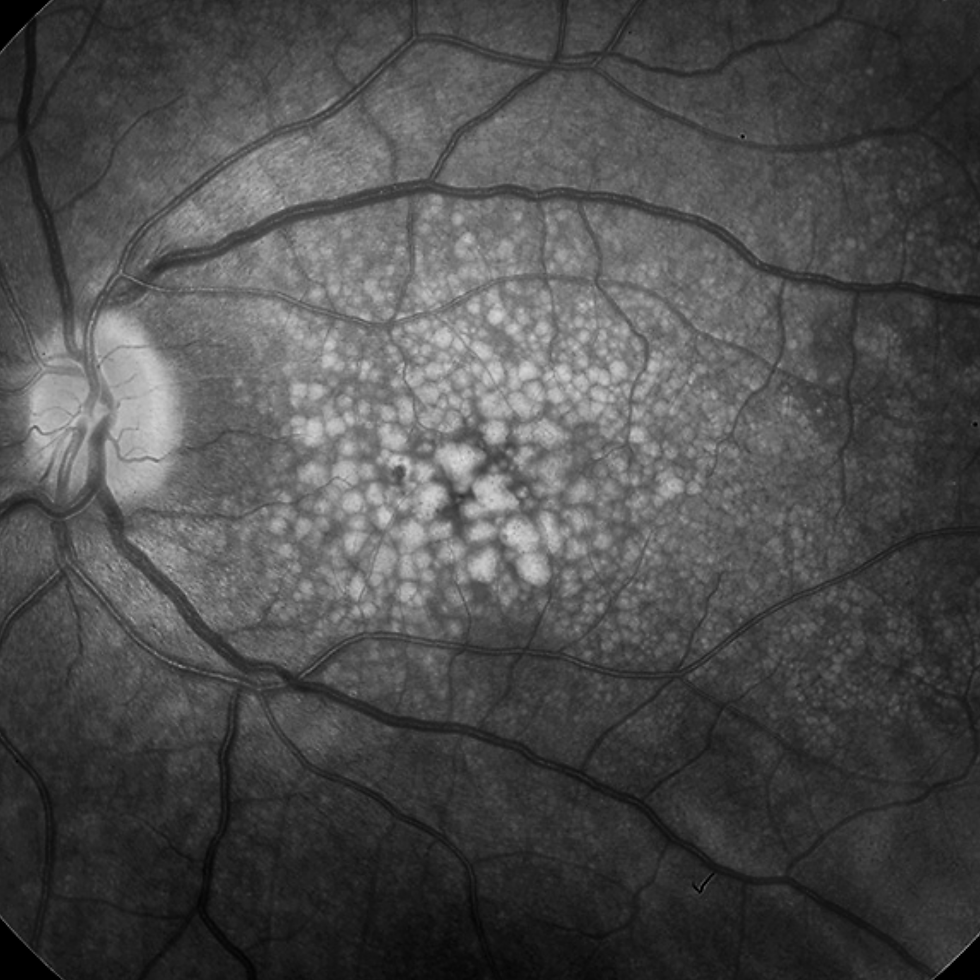
Advanced diagnostic monitoring and clinical therapies—including intravitreal injections—to manage both dry and wet forms of macular degeneration.

Vitreoretinal Conditions & Surgery

Specialised microsurgical and medical care for complex retinal tears, detachments, macular holes, epiretinal membranes, and floaters.

Pterygium

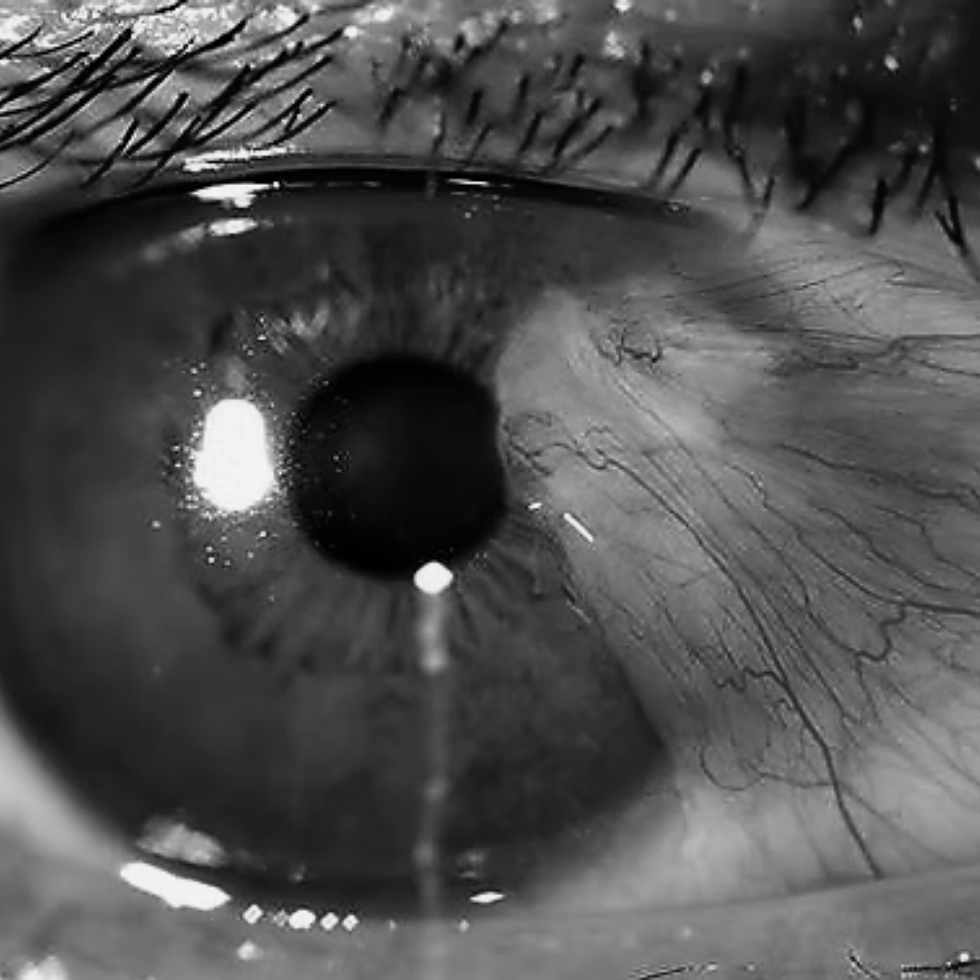
Surgical excision and management of benign growths on the ocular surface to eliminate discomfort and safeguard visual field clarity.

Corneal Conditions

Advanced corneal imaging and clinical management for conditions affecting the clear front window of the eye, such as keratoconus.

Strabismus

Evaluation and treatment options to correct eye misalignment and optimize binocular vision in both children and adults.

Eyelid Conditions & Oculoplastics

Functional and reconstructive procedures to treat eyelid malpositions, benign or malignant lesions, and surrounding ocular tissue disorders.

Day Theatre

Eye surgeries are performed in theatre under sterile conditions. An operating microscope is used to provide optimal visualisation during the procedure. Most eye surgeries are done under topical eye drops or local anaesthetics to provide a pain-free experience. We make use of a day theatre, meaning most patients don't have to spend the night in hospital. Most surgeries are performed by minimally invasive techniques with microsurgical equipment through self-sealing sutureless wounds.

Diagnostic Equipment

Modern diagnostic equipment is used to assist in early diagnosis and effective follow-up, providing the best possible care. We use optical coherence tomography (OCT), Scheimpflug imaging (Pentacam), visual fields (Humphrey) and fundus photography, among other special investigations.

bottom of page